- Exhibition Design
- Graphic
- Concept
- Scenography
The special exhibition History of Citizens deals with the stories of older people who witnessed the upheavals of the 20th century. Students talked to them about their lives and documented them in a variety of ways. We are responsible for the exhibition design, are assisting with the curation, and have designed and produced elements of the exhibition marketing.
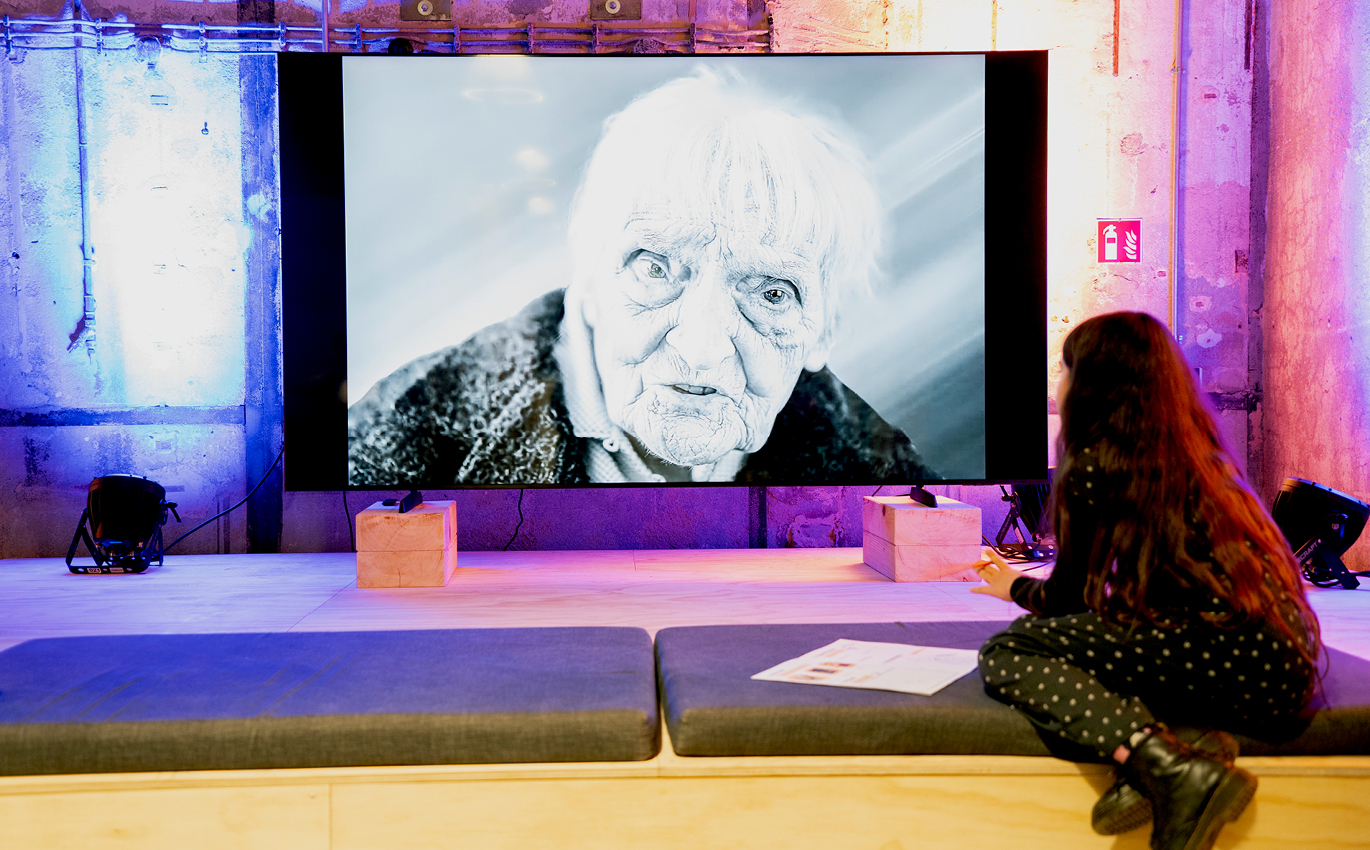
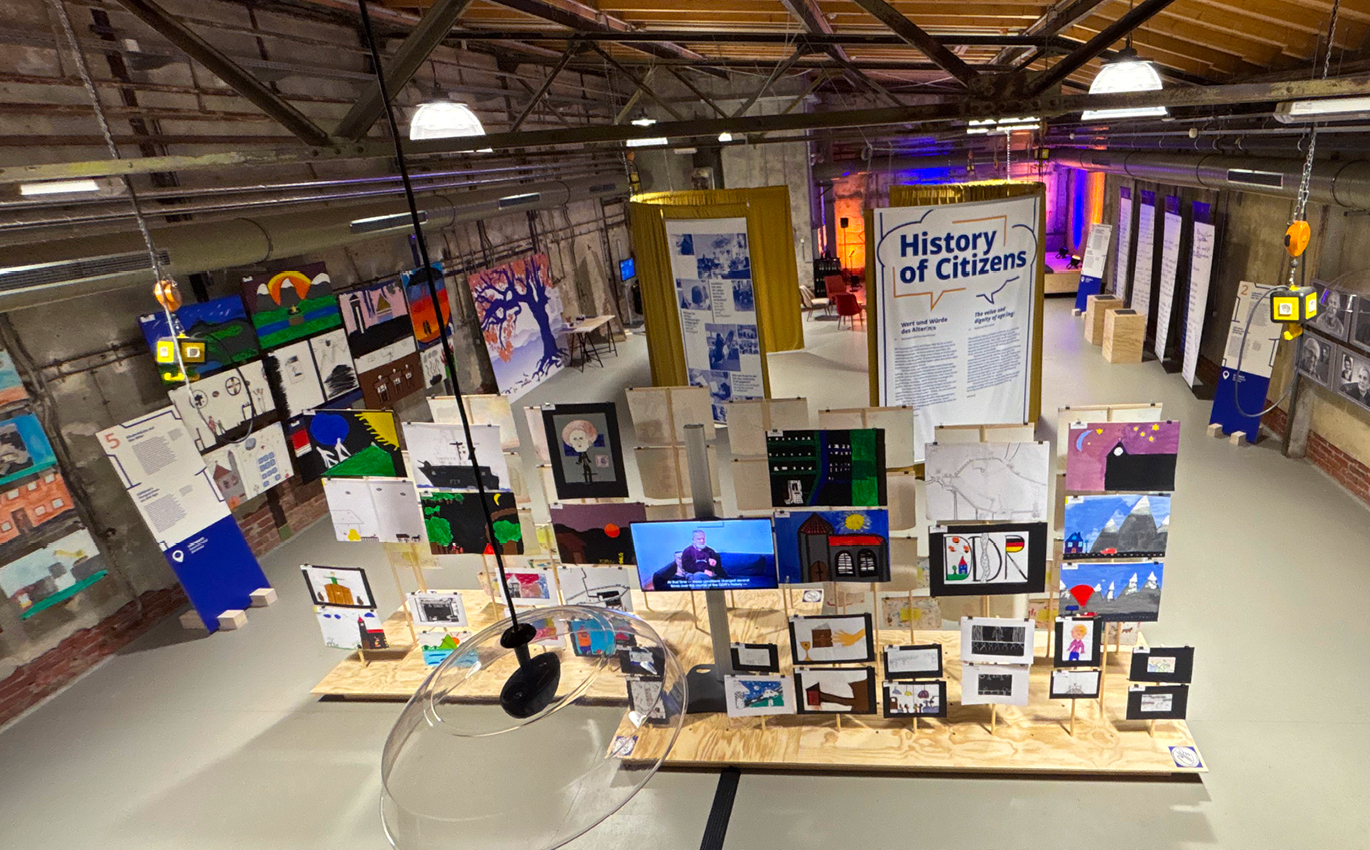
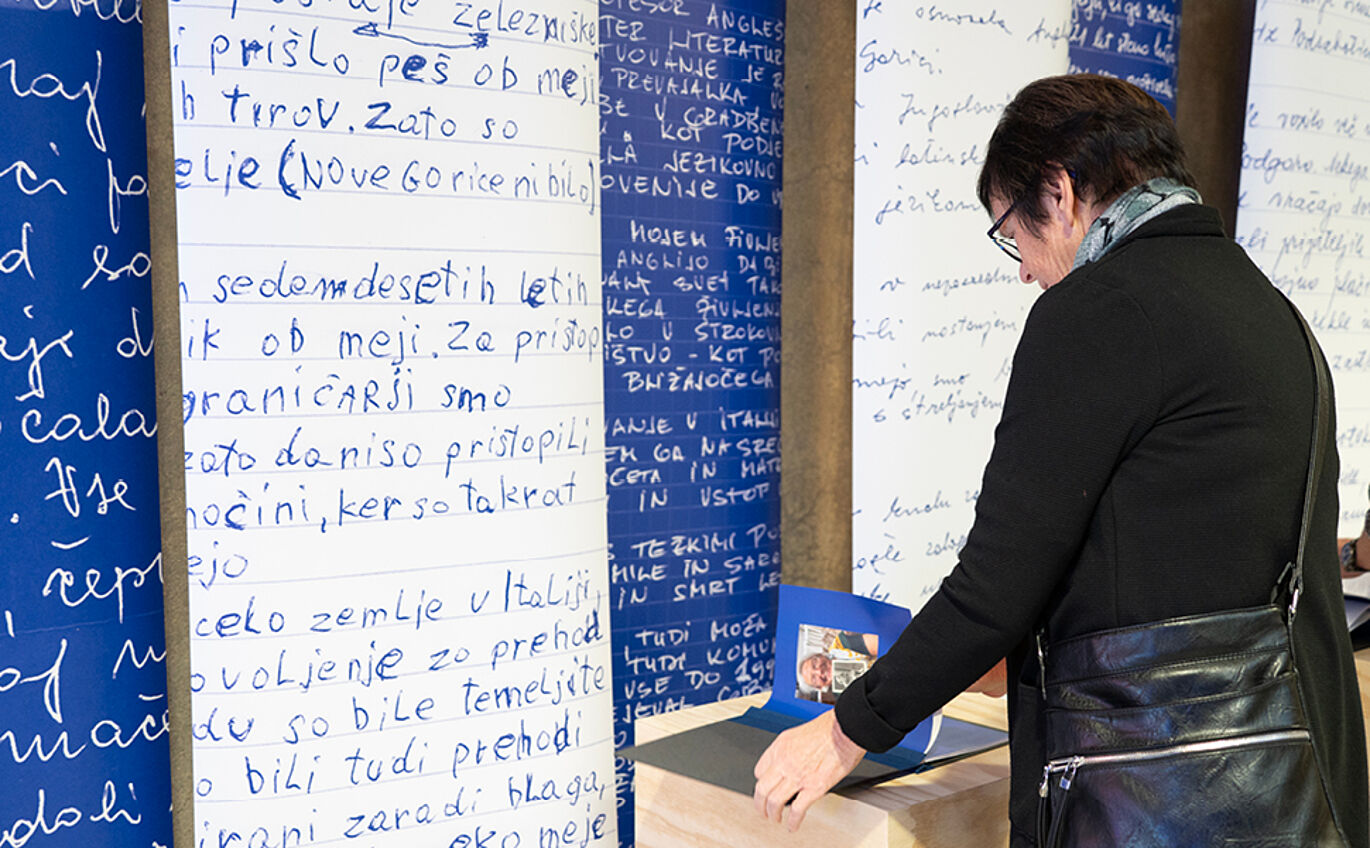
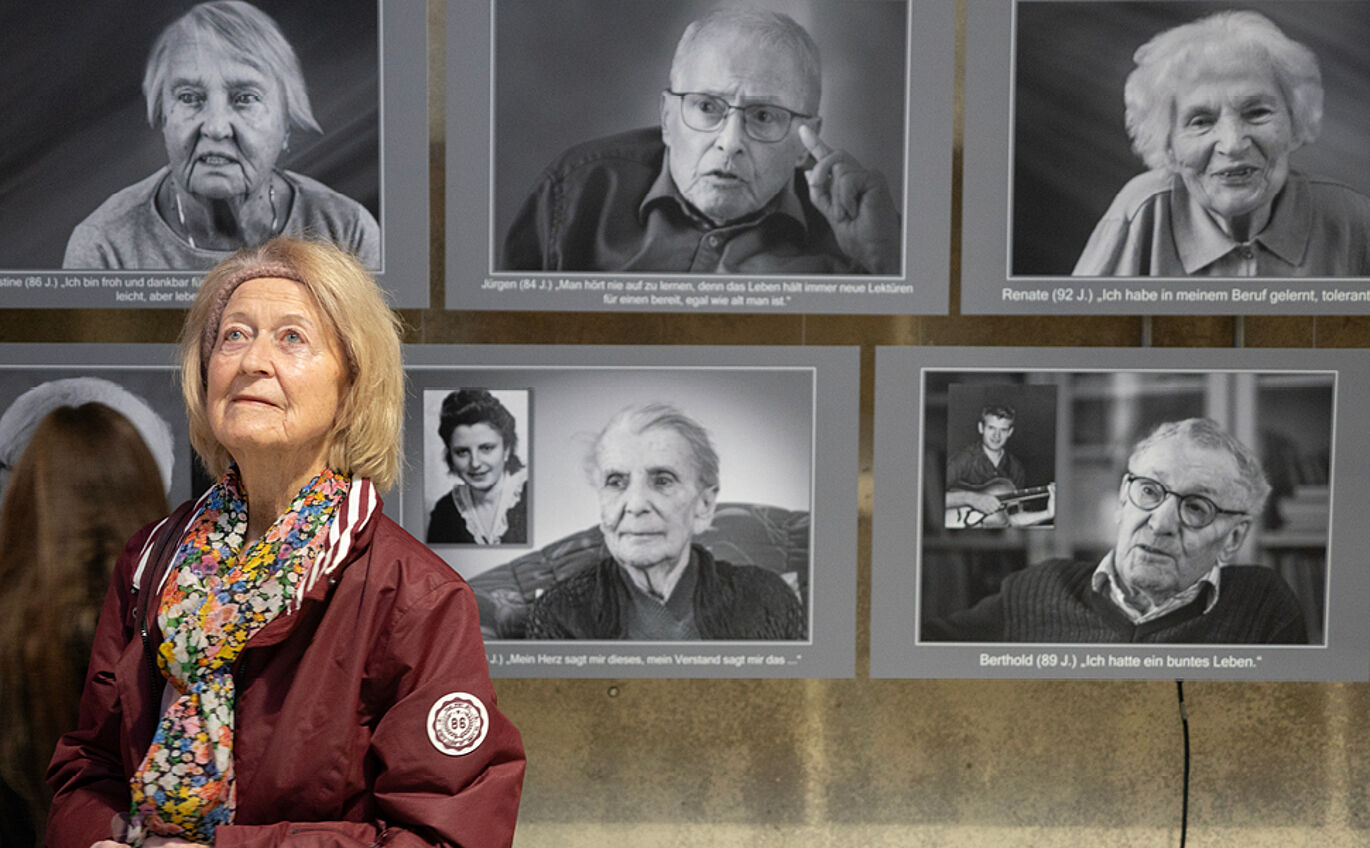
Students from Chemnitz and the surrounding region, as well as from Nova Gorica in Slovenia and Gorizia in Italy – which together were partner cultural capitals in 2025 – interviewed older people about their life stories and periods of upheaval. These were filmed as traditional interviews, but also documented in handwritten letters, turned into animated films or interpreted as pictures by primary school classes. We were commissioned to design and implement a special exhibition featuring these numerous multimedia exhibits, which were displayed in a room at the Garagen Campus. We are responsible for the exhibition design and are assisting with the curation. We are also designing elements of the exhibition marketing and having them produced.
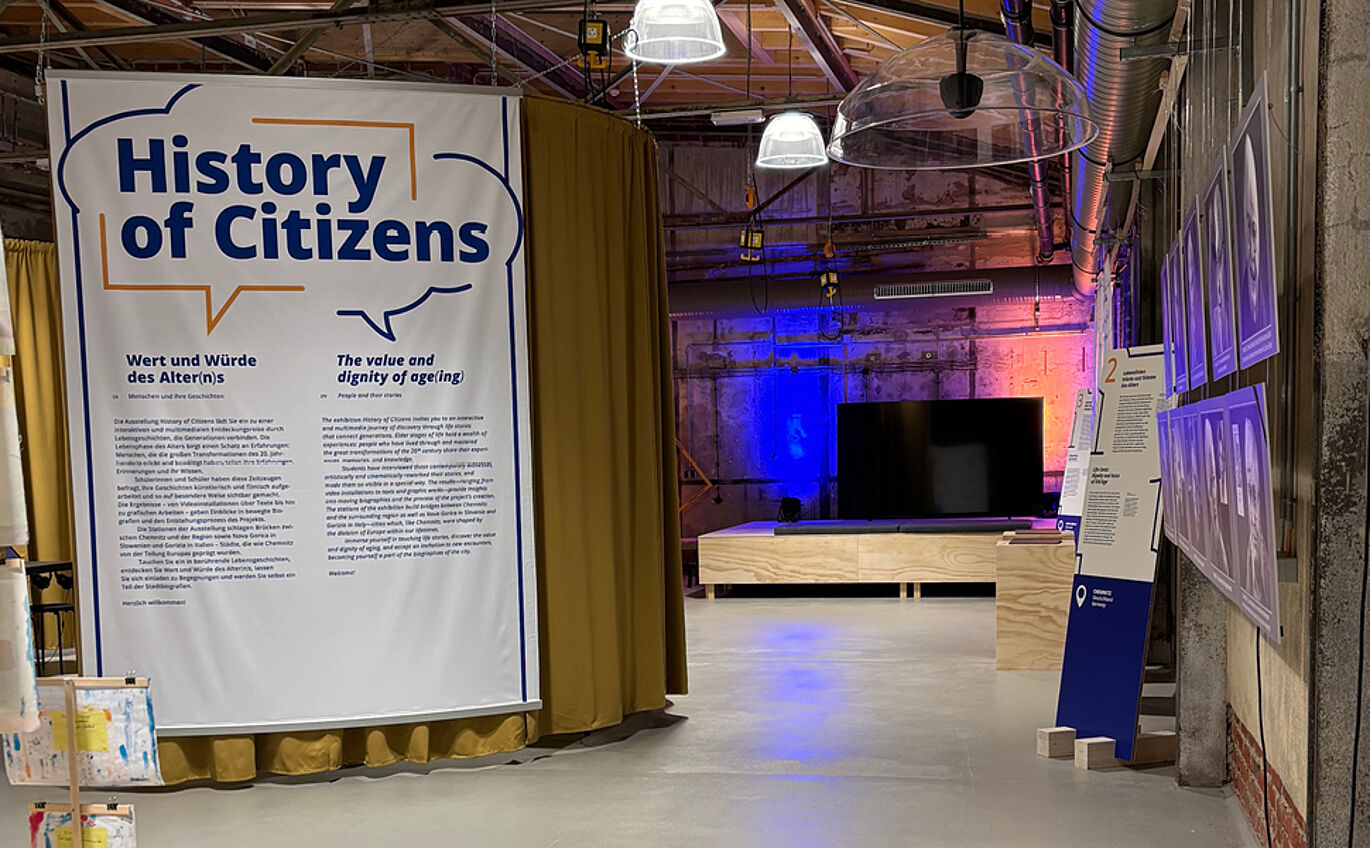
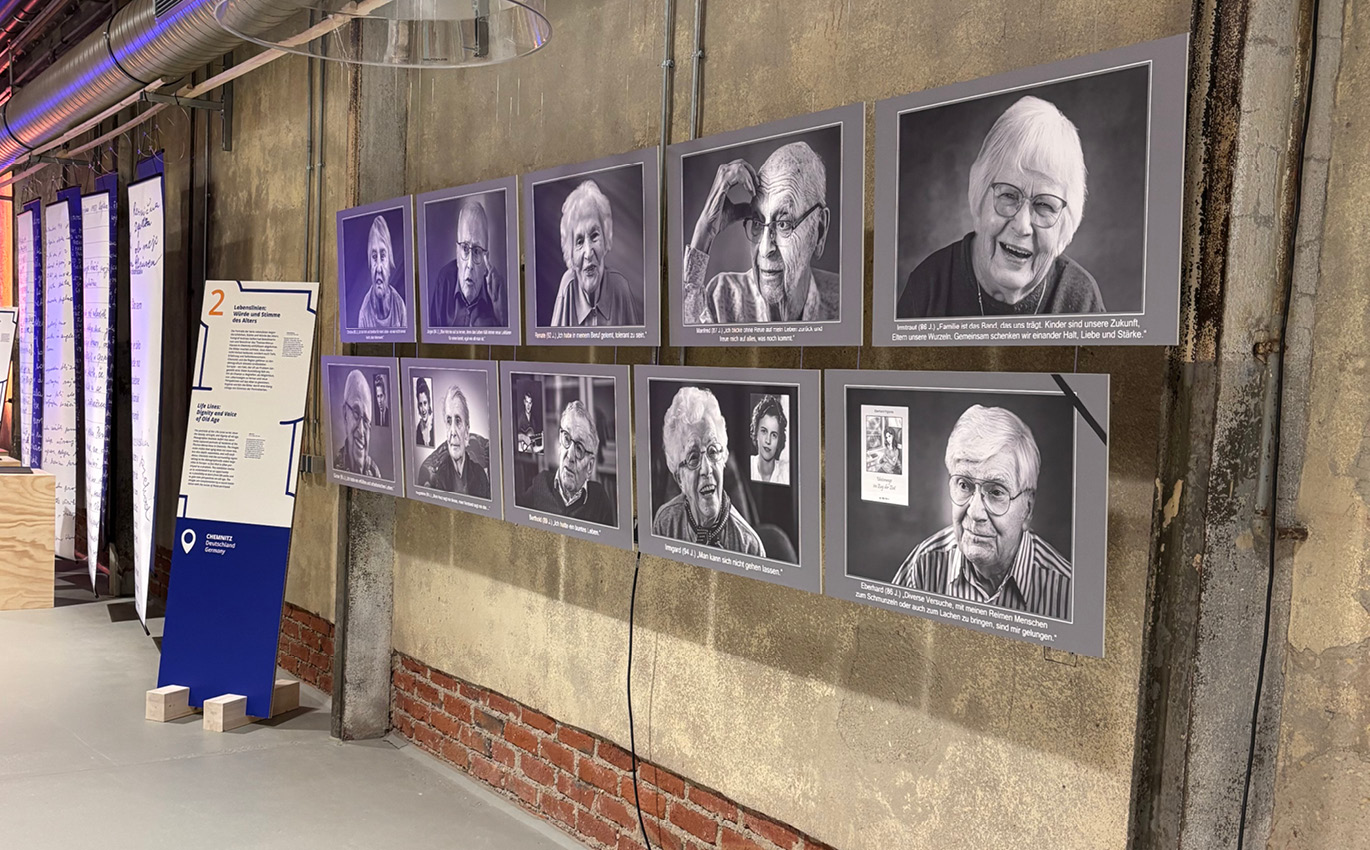
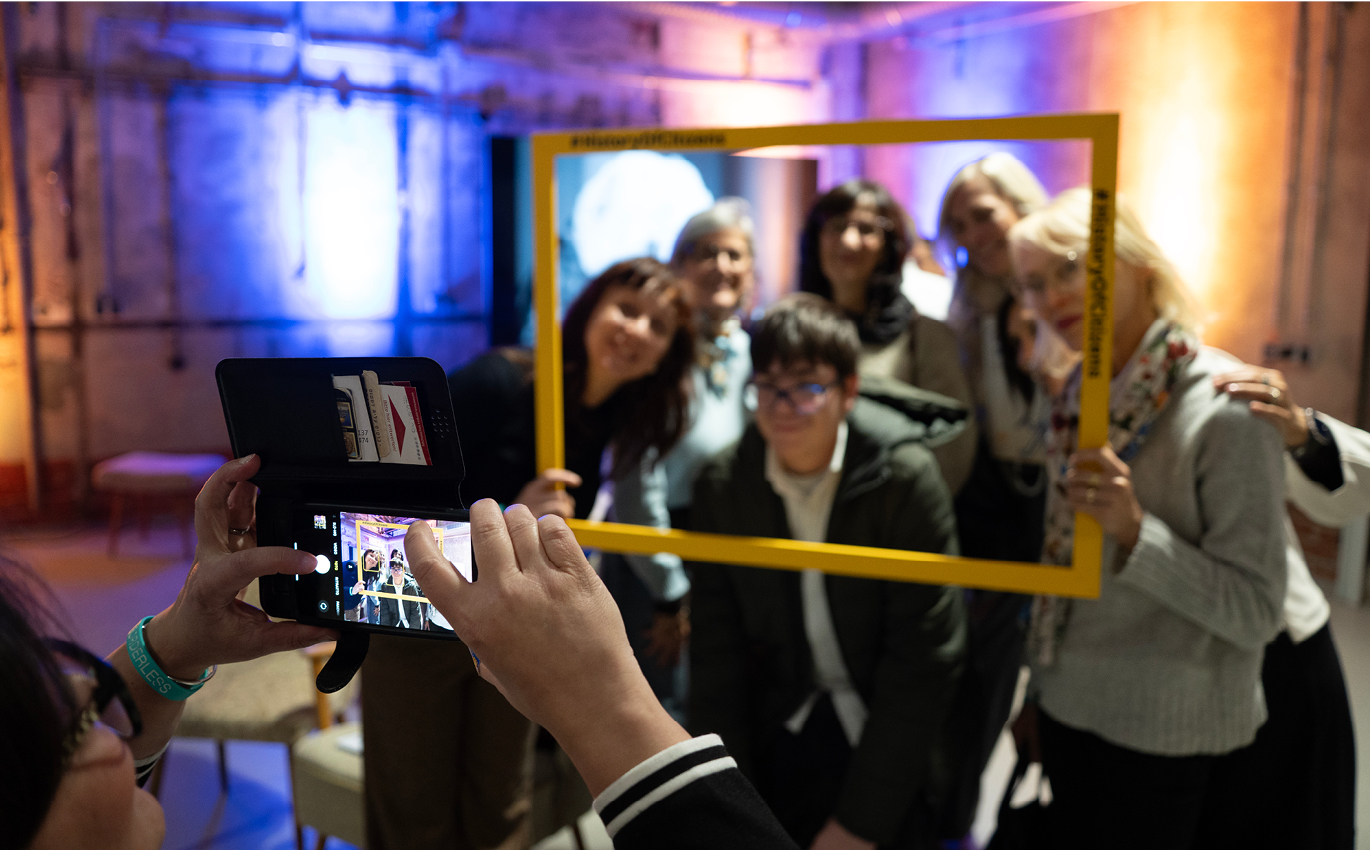
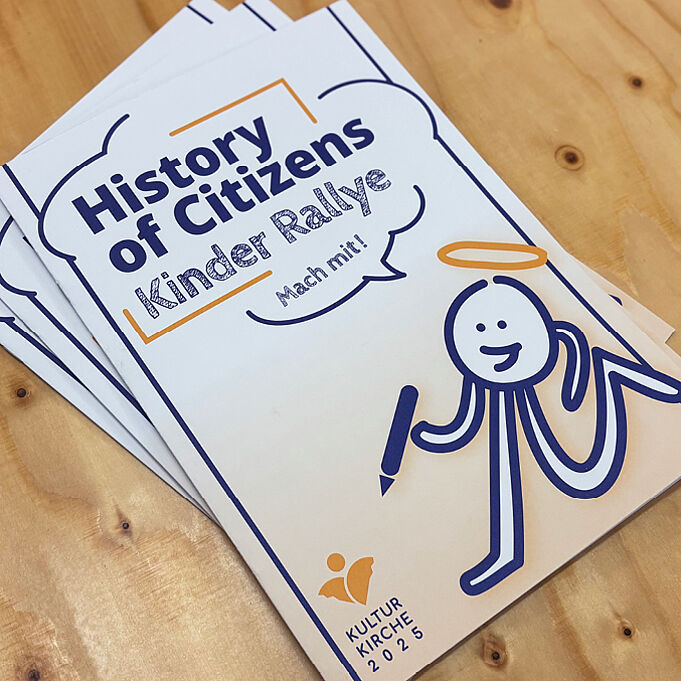
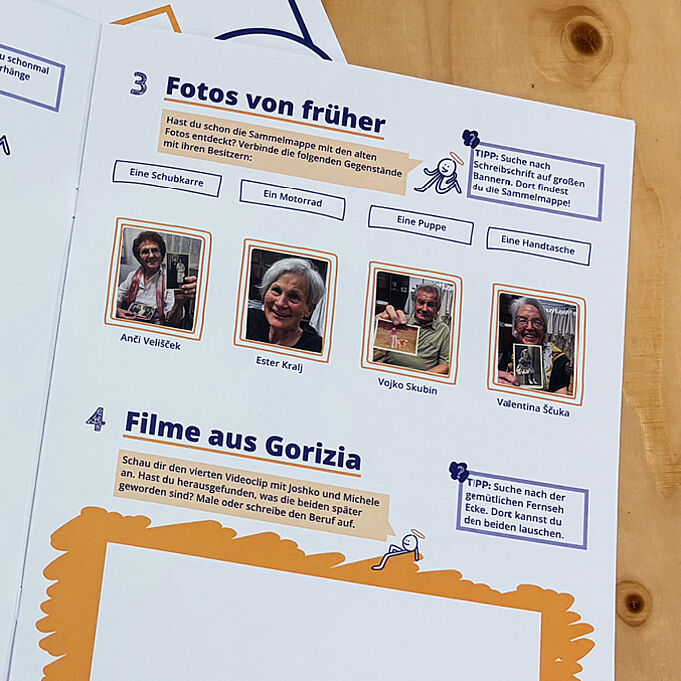
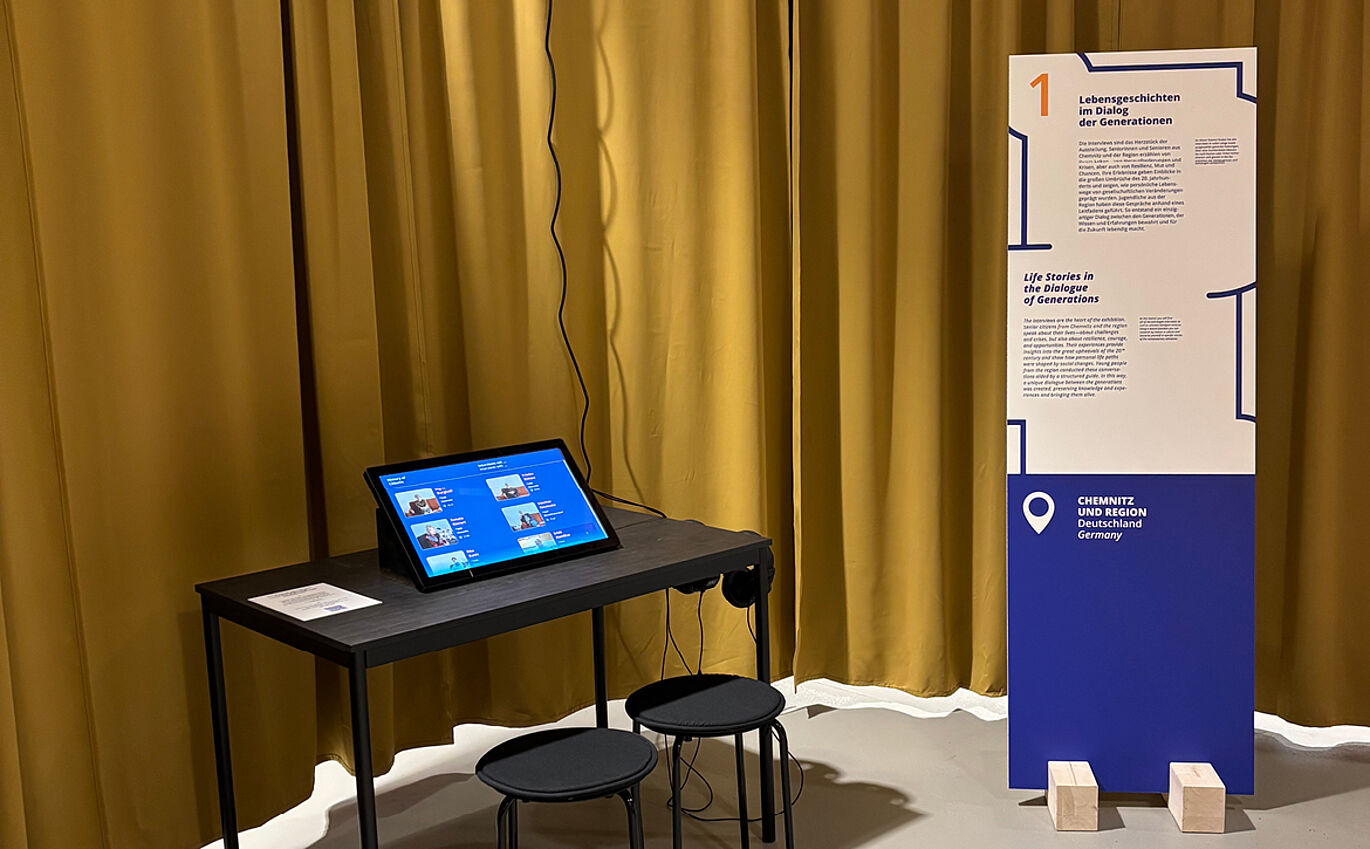
In the stations we have implemented, we focus on different ways of addressing visitors and develop content with audio, video, images, in-depth information and multimedia options. This variety in sensory perception helps to hold visitors' attention for longer. To ensure greater concentration on the individual content and to structure the space, we use a large curtain as a room divider. This calms the lines of sight and dampens the acoustics. A sound shower reproduces directional sound, creating a gentle soundscape. For longer audio contributions, there are closed headphones, which are connected in pairs to enable a shared exhibition experience. Visitors can chat in cosy seating areas, and storytelling cafés accompany the tour. For the little ones, we are developing a children's rally that guides them through the exhibition in a playful way.
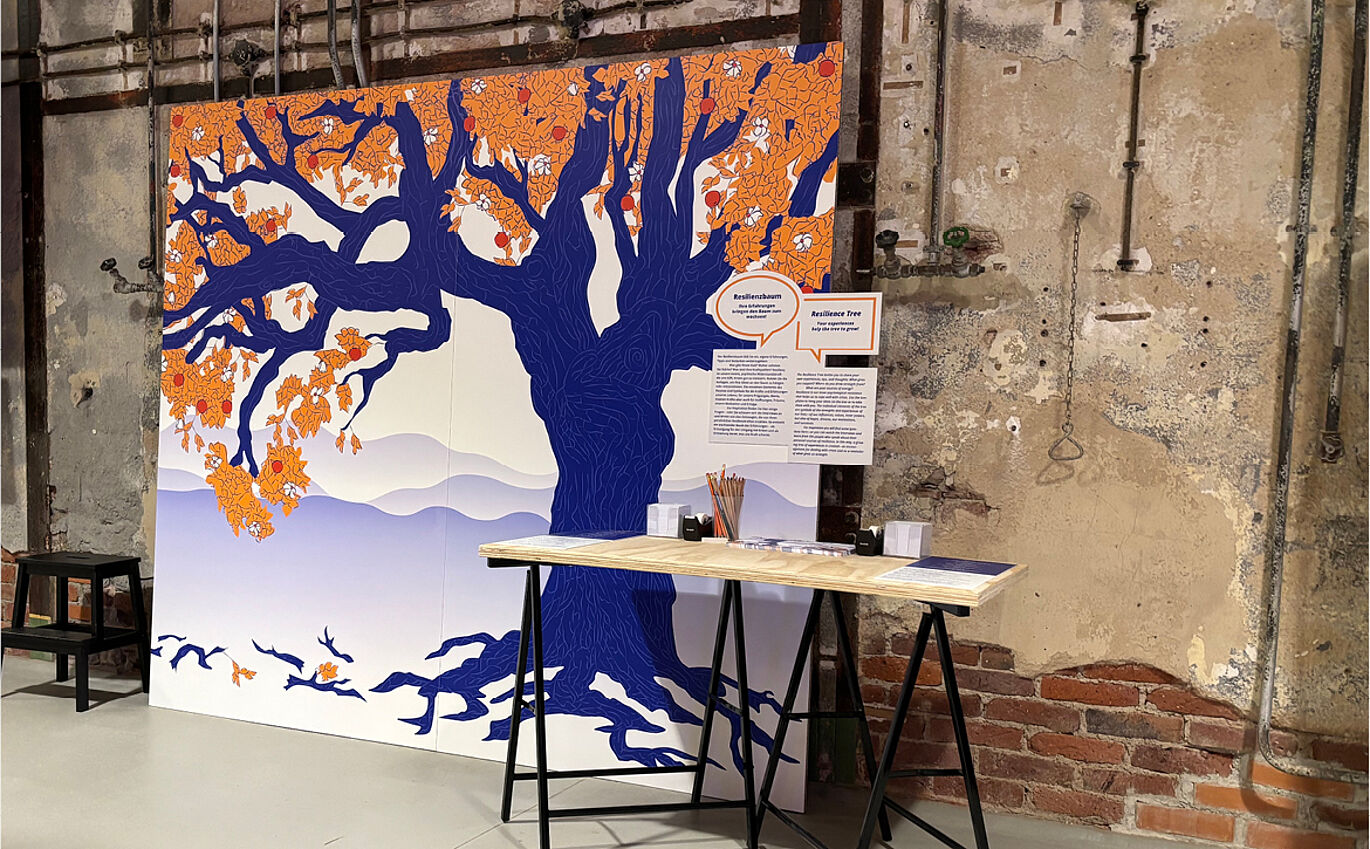
![[Translate to EN:] Ein großes Banner mit einem blauen Baum, der orangene Blätter hat, hängt an einer rustikalen Wand. Davor steht ein Tisch. Rechts neben dem Baum sind einige Informationstexte zu erkennen.](/fileadmin/user_upload/Projekte/KPH_History_of_Citizens/KPH_History_of_Citizens7.jpg)
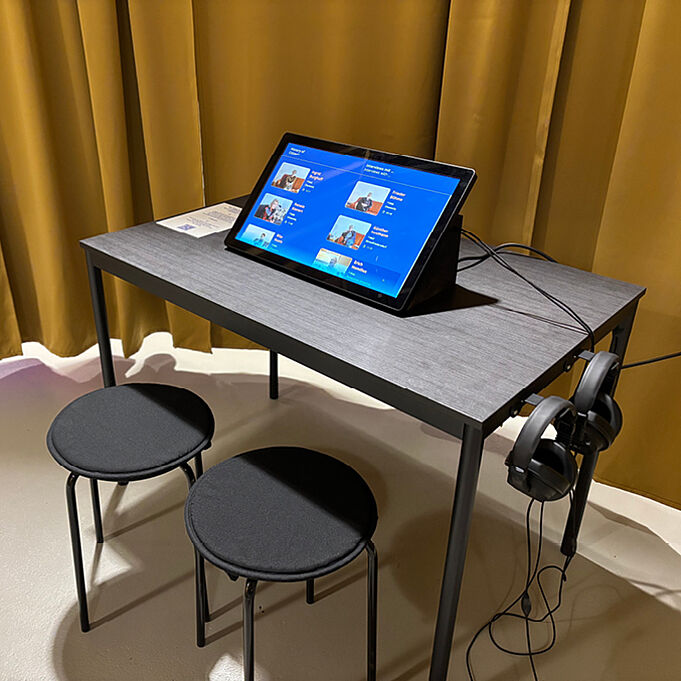
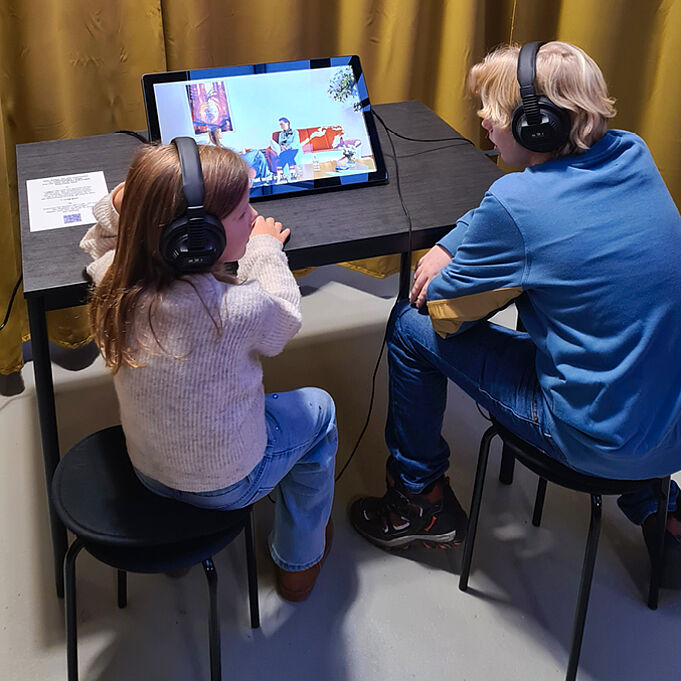
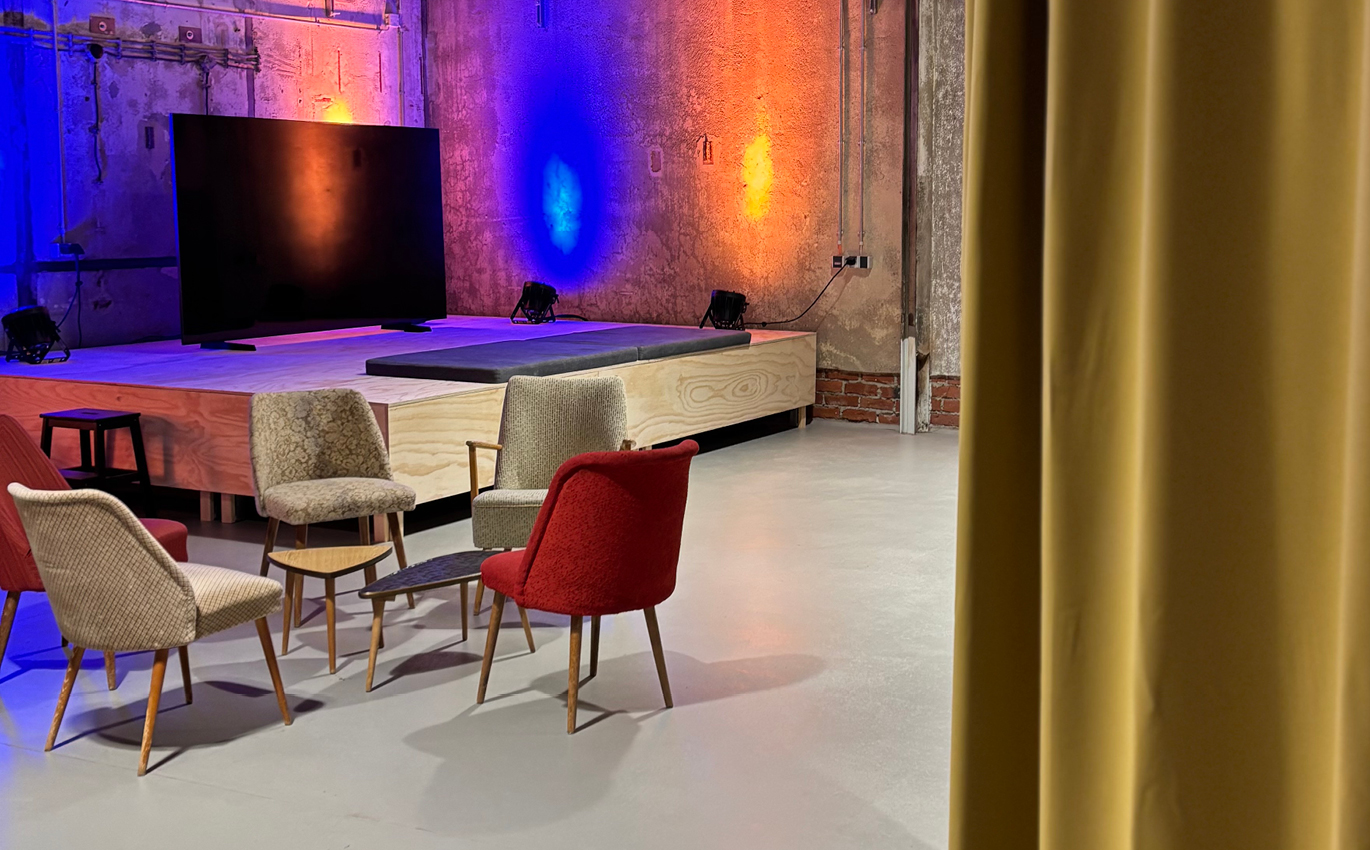
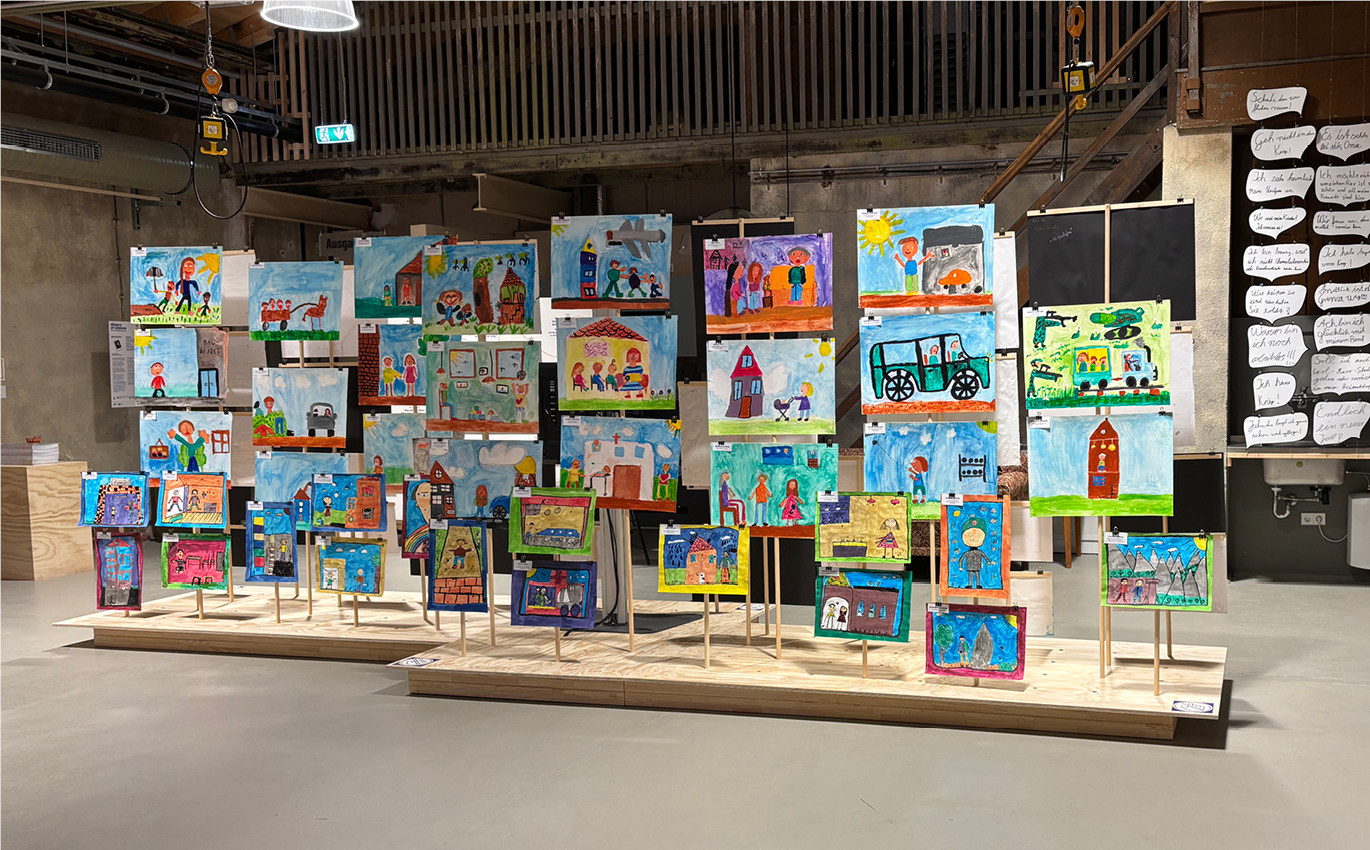
With a duration of approximately three weeks, this is a relatively short special exhibition. We therefore deliberately consider sustainable production options in the exhibition design: we use recycled materials, borrow all the media technology and pass on exhibition elements to other productions.
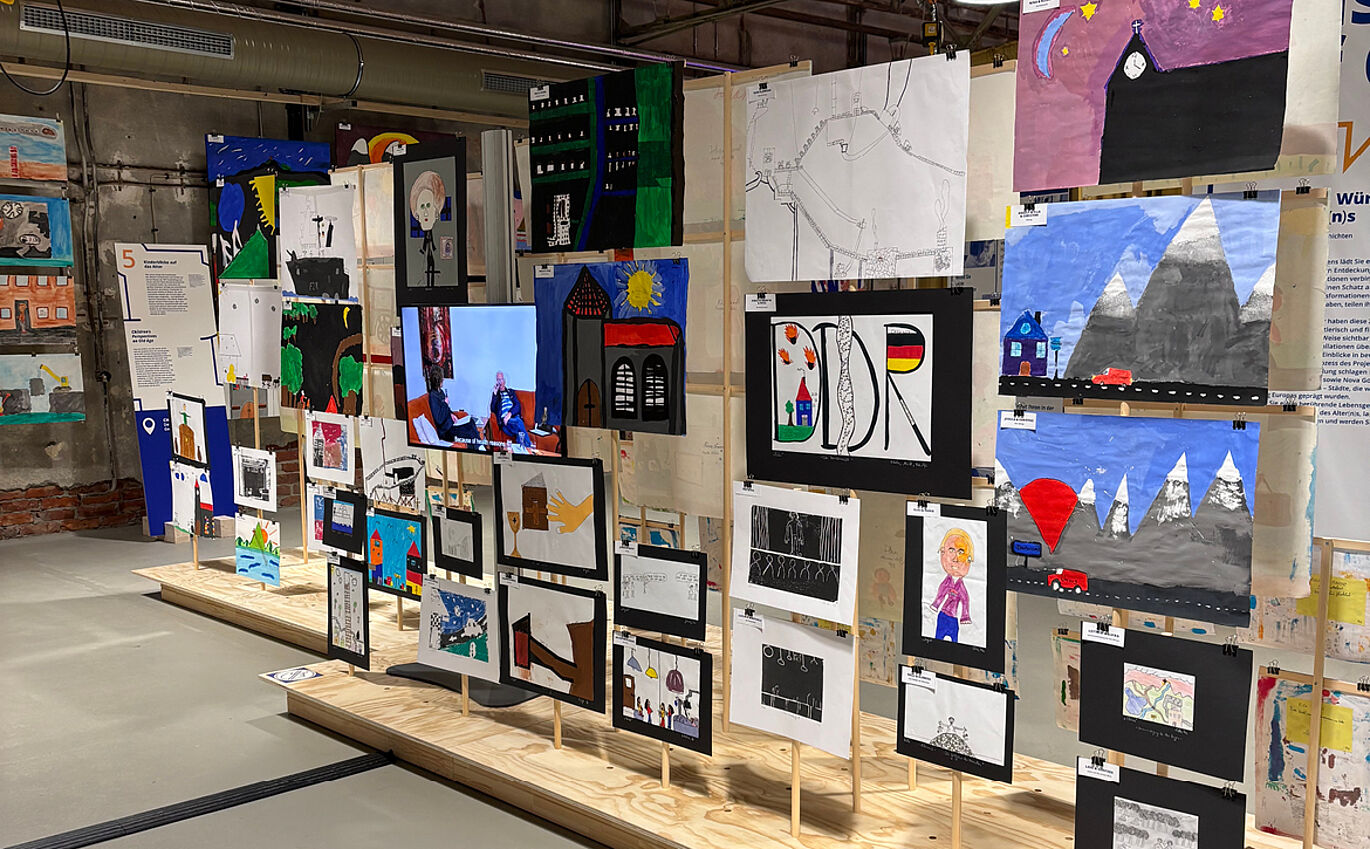
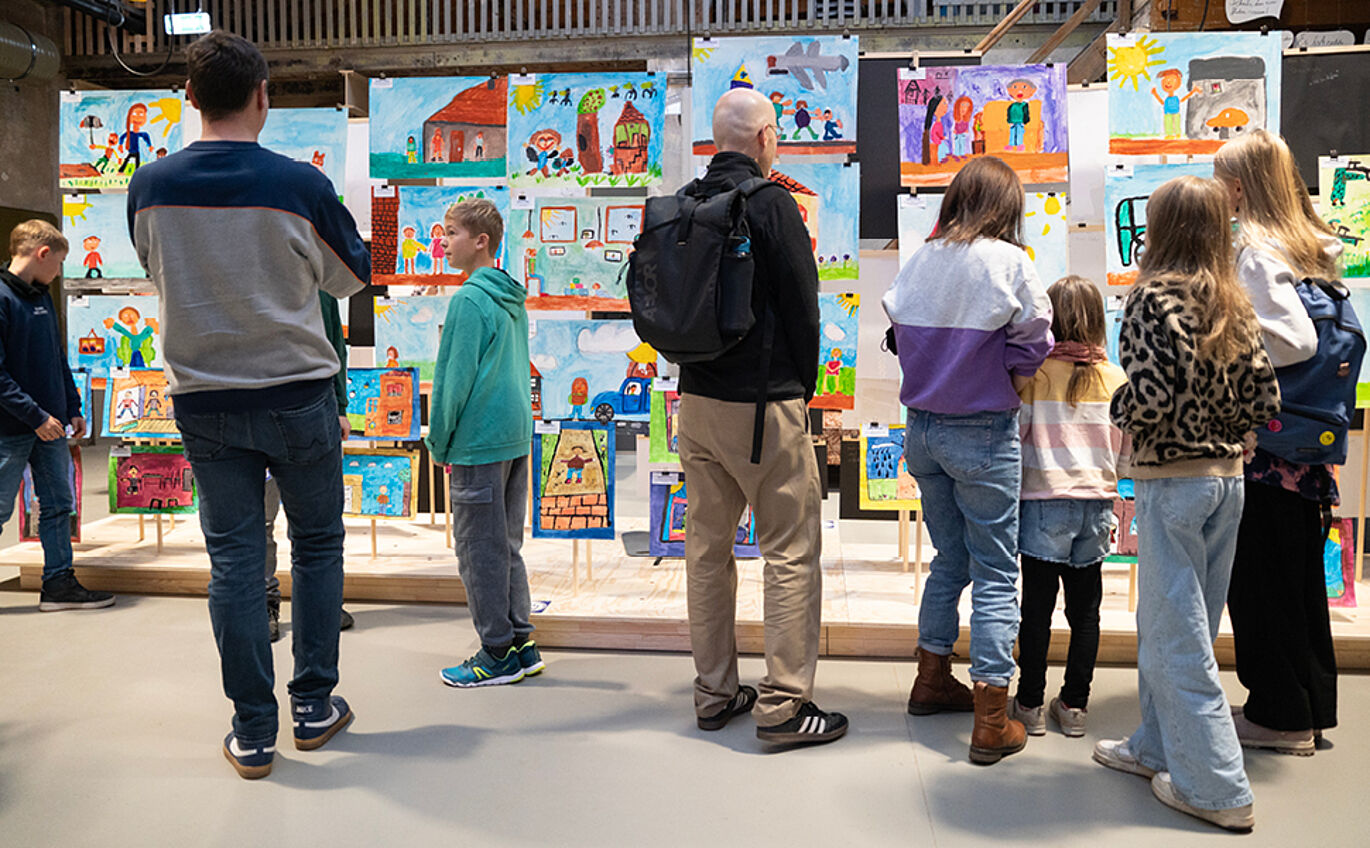
One challenge was to display the large number of children's drawings on paper in a sustainable way in the room. We decided to use a platform with strips to which the pictures could be clipped, so that they would all remain in perfect condition.
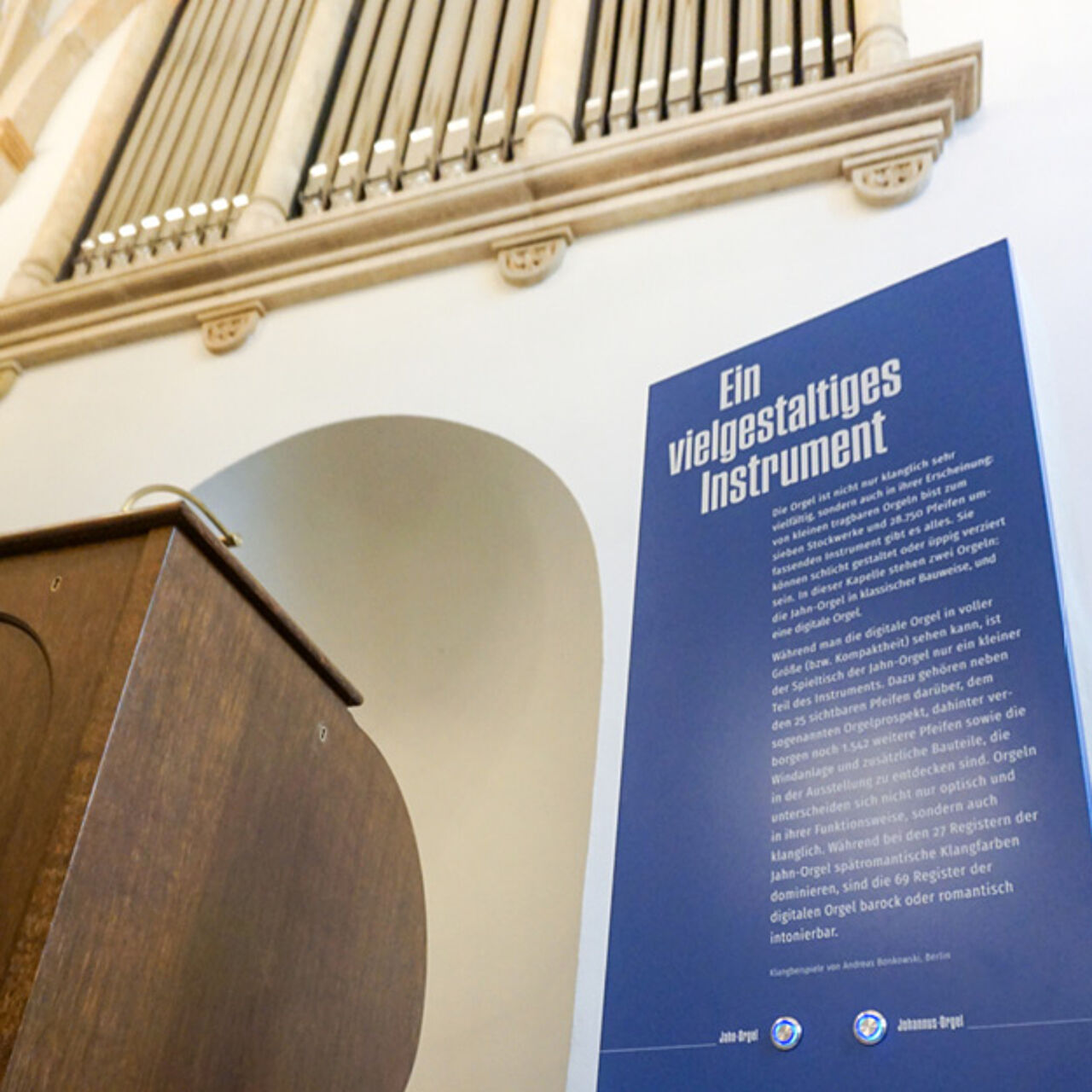
Industriemuseum Chemnitz
⬤
Schloss Waldenburg
⬤
Heinrich-Schütz-Haus Weißenfels
⬤
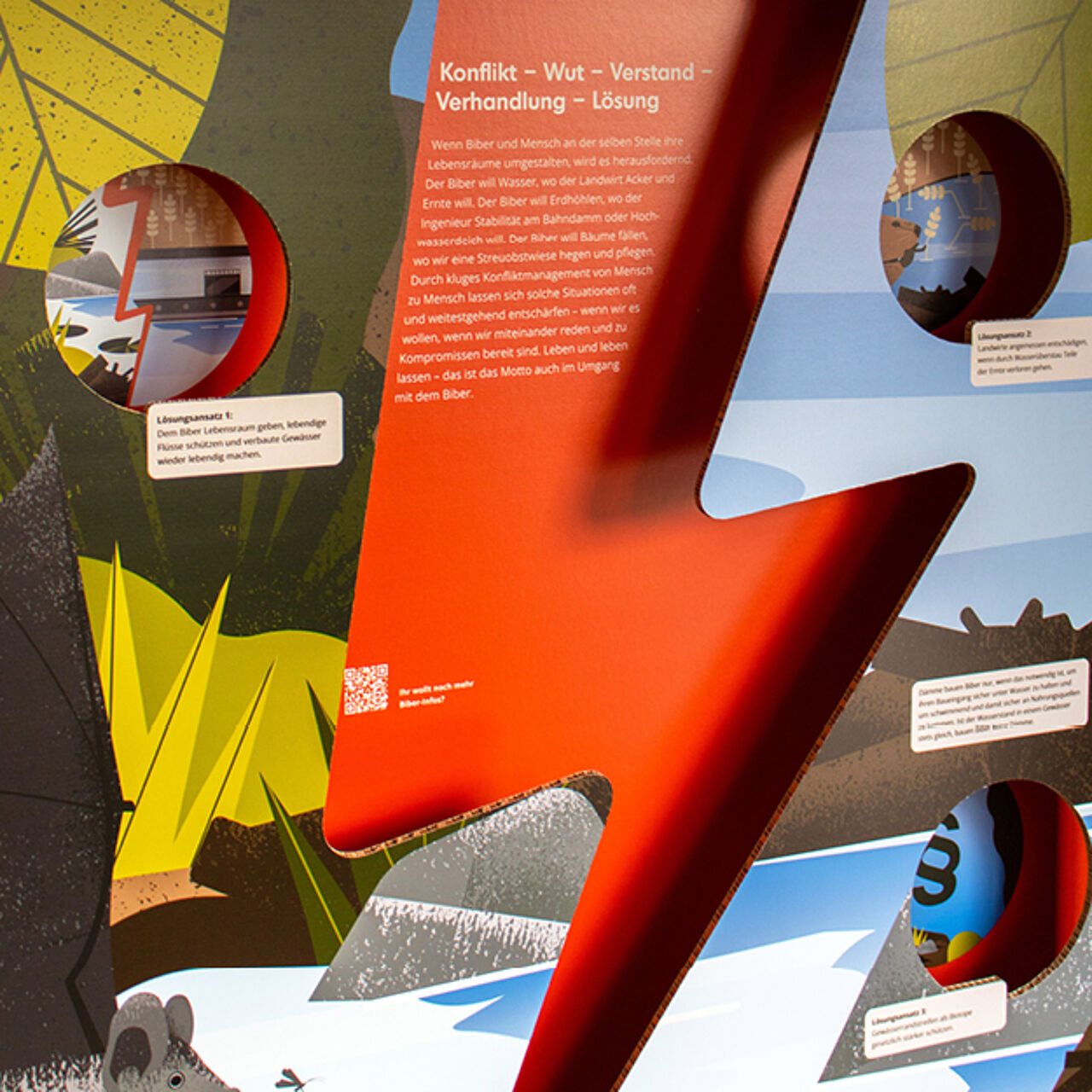
Senckenberg Naturhistorische Sammlungen Dresden
⬤
NABU Naturschutzstation Biberhof Torgau
⬤